

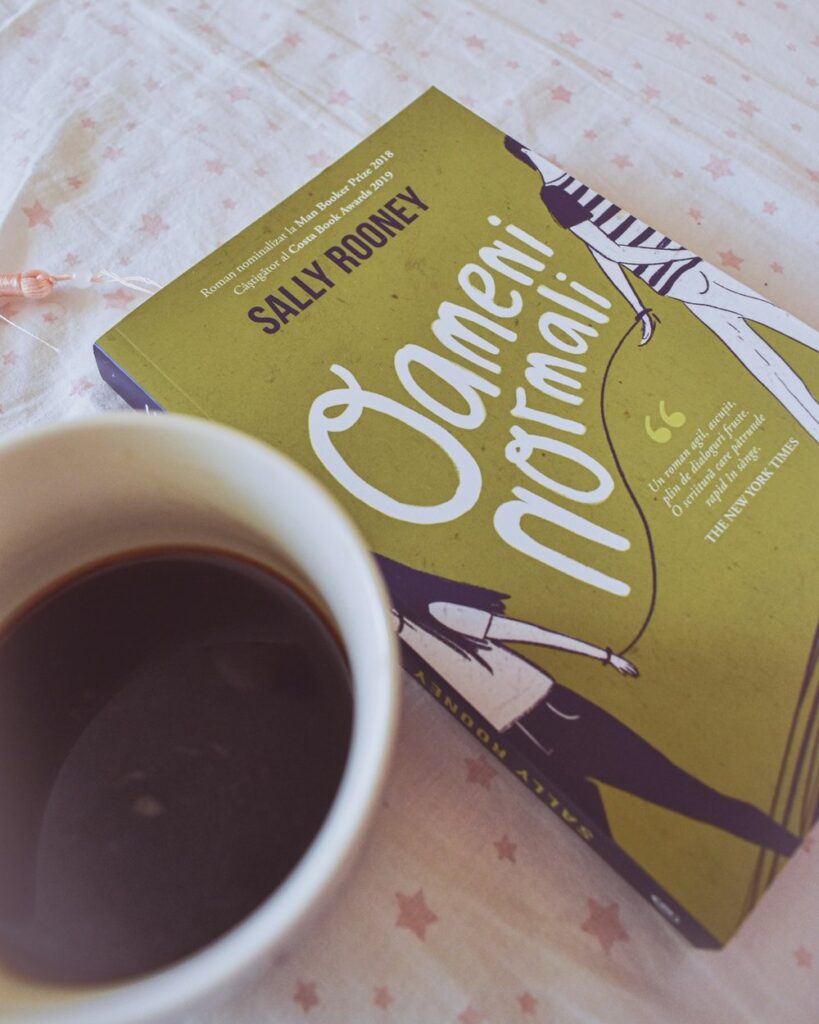
Author: Sally Rooney · Published: 2018 · Genre: Literary Fiction, Romance
Normal People follows two young people in Ireland through four years of an on-and-off relationship, and it is one of the most precise novels about intimacy and class in recent memory. The prose is cool on purpose and much of the plot is misunderstanding, which will frustrate some readers. If you’ve ever loved someone you couldn’t quite talk to, it will hit hard.
What it’s about
In Carricklea, a small town in County Sligo, Connell Waldron is popular, plays on the school football team and is one of the top students. Marianne Sheridan is brilliant, prickly and openly mocked by her classmates. Connell’s mother, Lorraine, cleans the Sheridans’ large house. The two begin a secret relationship in their final year of school, and Connell hides it from his friends, with consequences for both of them.
They then both go to Trinity College Dublin, where their positions flip. Marianne finds a social world that suits her, while Connell, a working-class boy among wealthy students, feels lost. Over the next few years, from 2011 to 2015, they drift apart and back together, through other partners, depression, and Marianne’s cold, hostile family. Rooney tells the story in close third person, alternating between the two, so you often know more about each of them than they know about each other.
What works
- Class. Rooney is superb on money as something people feel rather than just have. Connell’s awareness of what he can’t afford, and Marianne’s ease with it, shape nearly every conversation they have.
- The time jumps. Each chapter skips ahead weeks or months, then circles back to fill the gap. The structure mirrors the relationship itself: long silences, sudden returns.
- Dialogue. Rooney writes without quotation marks, and her conversations are so exact that tiny shifts in tone carry major meaning. A great deal happens in what isn’t said.
- Sex and power. Rooney writes about sex frankly and without coyness. The scenes carry real information about trust, consent and who holds power, which shifts constantly between the two.
- Irish specificity. Rooney captures post-recession Ireland precisely: the small-town gossip of Carricklea, the confident private-school crowd at Trinity, and a scholarship exam that could change Connell’s finances.
- Mental health. Connell’s depression in the second half is written with rare clarity, including a scene in a university counseling office that feels completely real.
What doesn’t
The central obstacle is often just the two of them failing to communicate. That’s the point, but after the third or fourth misunderstanding you may want to shake them both.
Marianne’s storyline involves cruelty at home and degrading relationships with men. Rooney handles these without sensationalism, but some readers find the way the book links Marianne’s pain to her desires unsettling rather than illuminating, and they wish it examined her more critically.
The style also divides readers. Rooney’s flat, affectless sentences read as precise and controlled to her fans and as bland to others. The secondary characters, from Connell’s school friends to Marianne’s college boyfriends, are sketched quickly and serve mainly as obstacles.
Finally, the hype can distort expectations. This is a small, quiet book about two people, not a grand statement about a generation, and it works best read that way. Some readers also find the ending too quiet after so much tension.
Who should read it
Readers who like character-driven fiction, anyone who loved the 2020 TV series with Daisy Edgar-Jones and Paul Mescal, and readers interested in how class shapes love. If you like it, Rooney’s first novel, Conversations with Friends, covers similar ground. It won the Costa Novel Award, was longlisted for the Booker Prize in 2018, and was named Book of the Year at the 2019 British Book Awards.
Rating: 4/5
Photo credits — Featured image: Photo by Teodora Constantinescu on Unsplash.
