

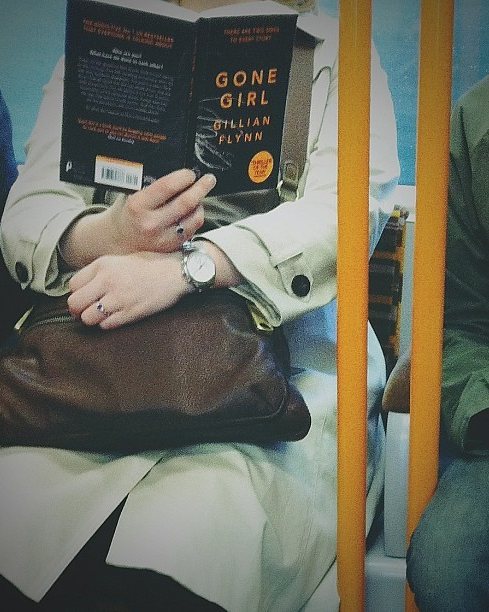
Author: Gillian Flynn · Published: 2012 · Genre: Psychological Thriller, Domestic Suspense
Gone Girl is the thriller that launched a thousand imitations, and it is still better than nearly all of them. It starts as a missing-person case and becomes a savage satire of marriage, media and performance. Read it if you can live with two deeply unlikable narrators and an ending designed to make you angry.
What it’s about On the morning of their fifth wedding anniversary, Amy Dunne vanishes from her home in North Carthage, Missouri. Her husband, Nick, comes back to find the living room disturbed and his wife gone. Both used to be writers in New York: Nick for magazines, Amy writing personality quizzes. After they lost their jobs, they moved to Nick’s hometown so he could help care for his sick mother. He now teaches journalism at the local college and runs a bar with his twin sister, Margo.
Amy is a minor celebrity of sorts: her psychologist parents built a popular children’s book series, Amazing Amy, around an idealised version of her. Detective Rhonda Boney leads the case, and before long the police, the TV pundits and the whole town are looking hard at Nick, who behaves exactly the way a worried husband should not. He is evasive, he smiles at the wrong moments, and he is clearly hiding something.
The chapters alternate between Nick’s narration in the present and entries from Amy’s diary, which tell the story of their marriage from the first meeting. Both voices are selective, and Flynn exploits the gap between them brilliantly.
What works – Structure. The two-narrator format keeps tilting your sympathies back and forth. Flynn anticipates what you suspect and times her midpoint turn to land as hard as possible. – Satire. The book skewers true-crime TV, cable-news outrage and the idea of marriage as a public performance. The scenes of Nick being coached on how to look sincere on camera are both funny and chilling. – Voice. Both narrators are clever, bitter and specific. The recession-era Midwest, with its empty mall and lost jobs, gives the book a real sense of place. – Detail. Flynn fills the book with sharp specifics: the anniversary treasure hunt of clues Amy sets for Nick every year, his awkward press conferences, the volunteer search centre full of casseroles and gawkers. They make the circus around a missing woman feel painfully real. – Pace. The second half accelerates, with short chapters and escalating reversals that make it very hard to put down.
The controversy Gone Girl has faced two main criticisms. The first is political. Some critics called it misogynistic, arguing that its gender politics, once its secrets are out, recycle damaging stereotypes about women. Flynn, who describes herself as a feminist, has pushed back, arguing that women in fiction deserve to be as flawed and unpleasant as men have always been allowed to be. Both sides have a point: the book is sharply aware of gender roles, but it also leans on a very dark portrait.
The second criticism is the ending. Flynn deliberately withholds a conventional resolution, and many readers find the last act implausible and the final pages infuriating. That is partly the point, but it sours the book for some. It also has no one to root for. Nick’s self-pity and casual contempt grate, and the supporting characters, apart from Margo, are thin.
Who should read it Readers who like thrillers with ideas, dark satire and characters they love to hate. It is also essential reading for understanding the wave of domestic suspense that followed it. Even if you have seen David Fincher’s 2014 film, which Flynn adapted herself, the book’s two voices give you more. Skip it if you need a hero.
Rating: 4/5
Photo credits — Featured image: Photo by Craig Freeman via Flickr, CC BY 2.0, cropped.
