

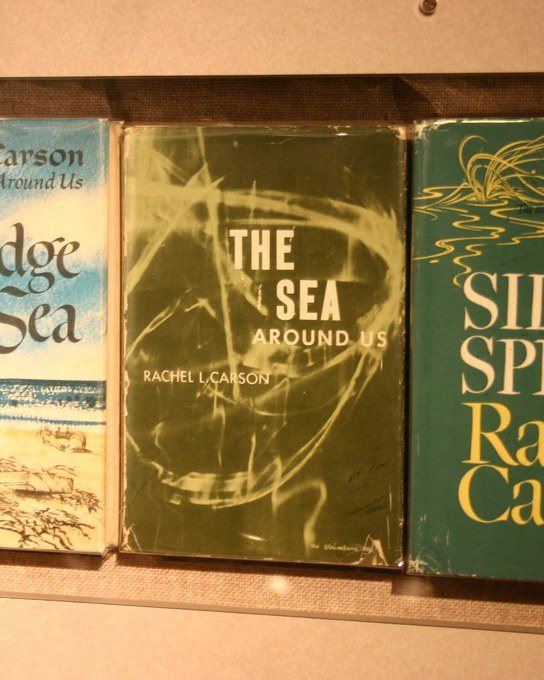
Author: Rachel Carson · Published: 1962 · Genre: Science, Environment
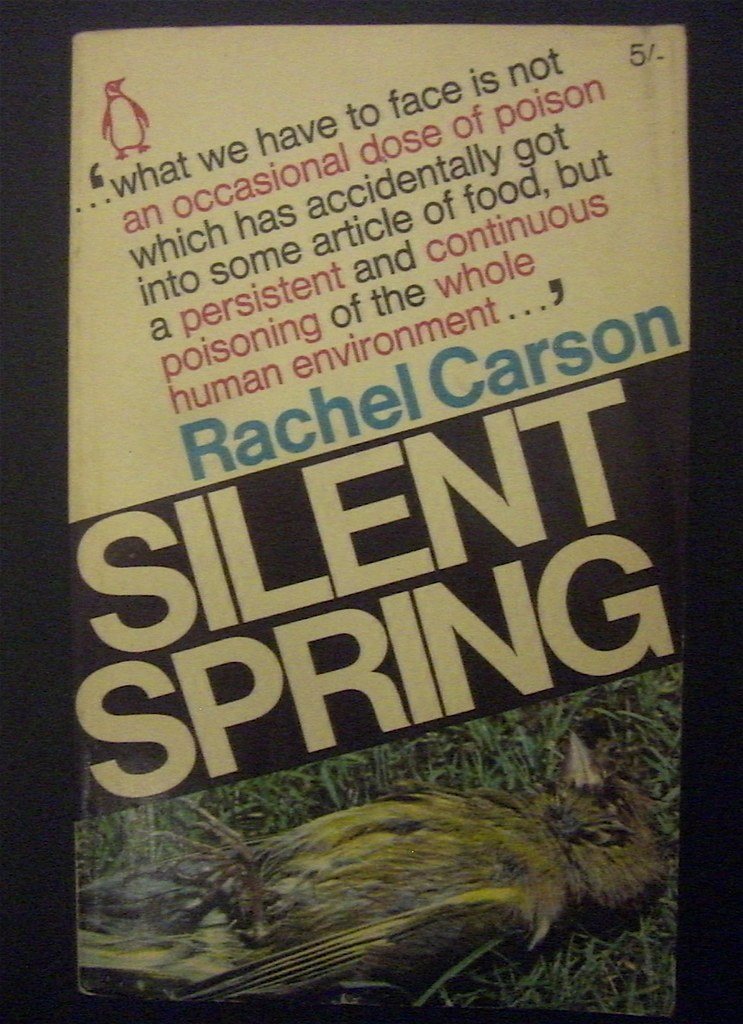
Silent Spring is one of the few books that changed government policy within a decade. Its biggest strength is how Carson turns toxicology into a gripping, well-documented case against spraying poisons across whole landscapes. Its biggest weakness is that, as advocacy, it gives little space to the benefits of pesticides and overstates the evidence on human cancer. Read it for the history of environmental science and for a masterclass in explaining science to the public.
The core ideas
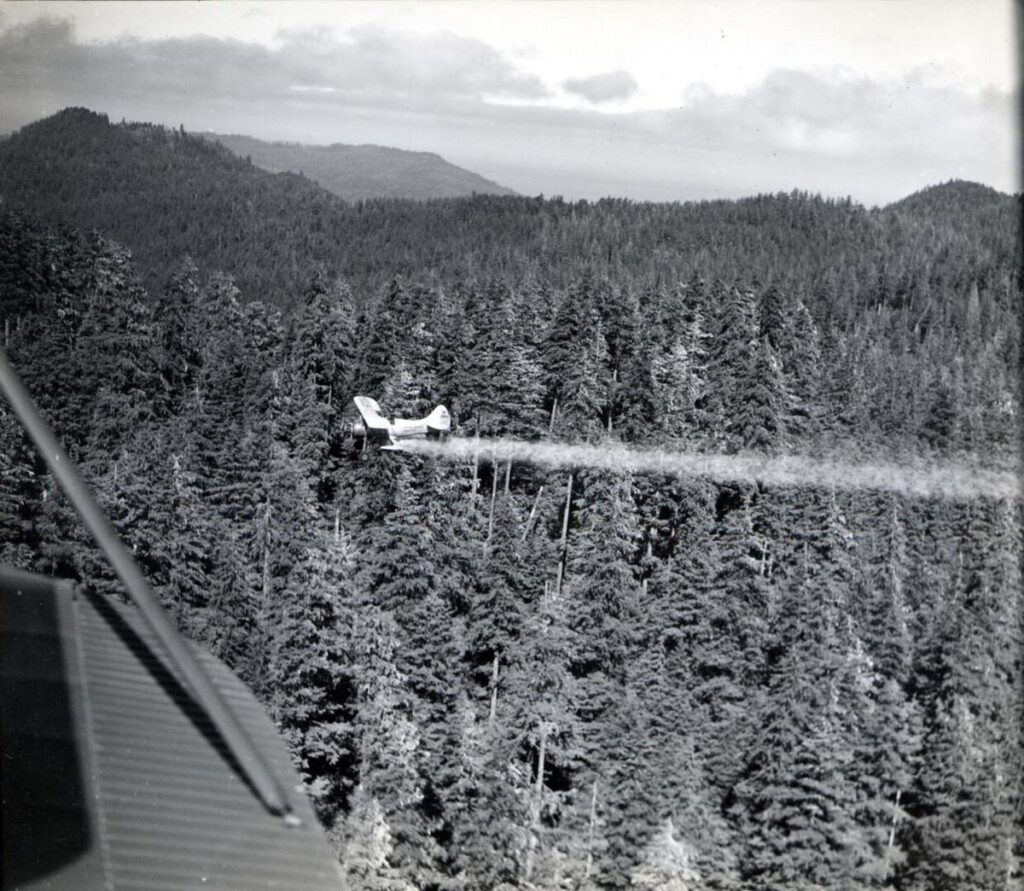
- Pesticides are biocides. Carson argues that chemicals such as DDT, dieldrin and the newer organophosphates don’t just kill target insects. They kill birds, fish and useful insects, and they linger in soil, water and body fat.
- Poisons concentrate up the food chain. Her best-known example is Clear Lake in California, where the insecticide DDD was applied at low doses to control gnats. It built up in plankton, then fish, then the grebes that ate them, and the grebes died.
- Spraying breeds resistance. Insects evolve resistance quickly, so heavy spraying fails on its own terms and pushes farmers toward ever stronger chemicals.
- There are better options. She calls for biological controls, such as natural predators or releasing sterilized male insects, and for spraying only where it is truly needed.
What’s great
- The writing. Carson was a marine biologist and a bestselling author of books about the sea before this one, and it shows. The opening fable describes an imaginary American town where spring has gone silent; she notes that every disaster in it had actually happened somewhere.
- The case studies. Robins dying on the Michigan State University campus after elms were sprayed against Dutch elm disease, and the US Department of Agriculture’s campaign to wipe out fire ants in the South, are documented with field research rather than rhetoric.
- It held up. A 1963 report by President Kennedy’s Science Advisory Committee broadly supported her. The Environmental Protection Agency was created in 1970, and most agricultural use of DDT in the US ended in 1972. Later research on thinning eggshells in birds of prey strengthened her case.
The controversy
The chemical industry attacked the book hard. Velsicol threatened legal action against her publisher, Monsanto printed a parody imagining a year without pesticides, and American Cyanamid’s Robert White-Stevens said following her would send humanity back to the Dark Ages. Much of the criticism was personal, aimed at a woman working outside academia.
A later claim is that Carson caused millions of malaria deaths by getting DDT banned. That is unfair. She never called for banning all pesticides, she said insect-borne disease must be controlled, and she warned that overuse was already making mosquitoes resistant. DDT was never banned for malaria control, and the 2001 Stockholm Convention explicitly exempts that use.
The fair criticisms are narrower. Her cancer chapters rely on limited and sometimes anecdotal evidence, and the link between DDT and human cancer remains less certain than she implied; the WHO’s cancer agency now classes DDT as probably carcinogenic, not proven. The book is also a prosecution brief rather than a balanced review, and some of its chemistry is dated.
Who should read it
Anyone interested in ecology, environmental policy or science writing should read it. Its argument about unintended consequences still applies to new chemicals today. Choose an anniversary edition with a modern introduction, such as the one by Carson’s biographer Linda Lear, for context on what later research confirmed.
Rating: 4/5
Image credits — Featured image: Image by Ryan Somma via Flickr, CC BY-SA 2.0, cropped. In-article images: Image by frankh via Flickr, CC BY 2.0; Image by U.S. Forest Service, R6 State & Private Forestry, Forest Health Protection via Wikimedia Commons, Public Domain.
