

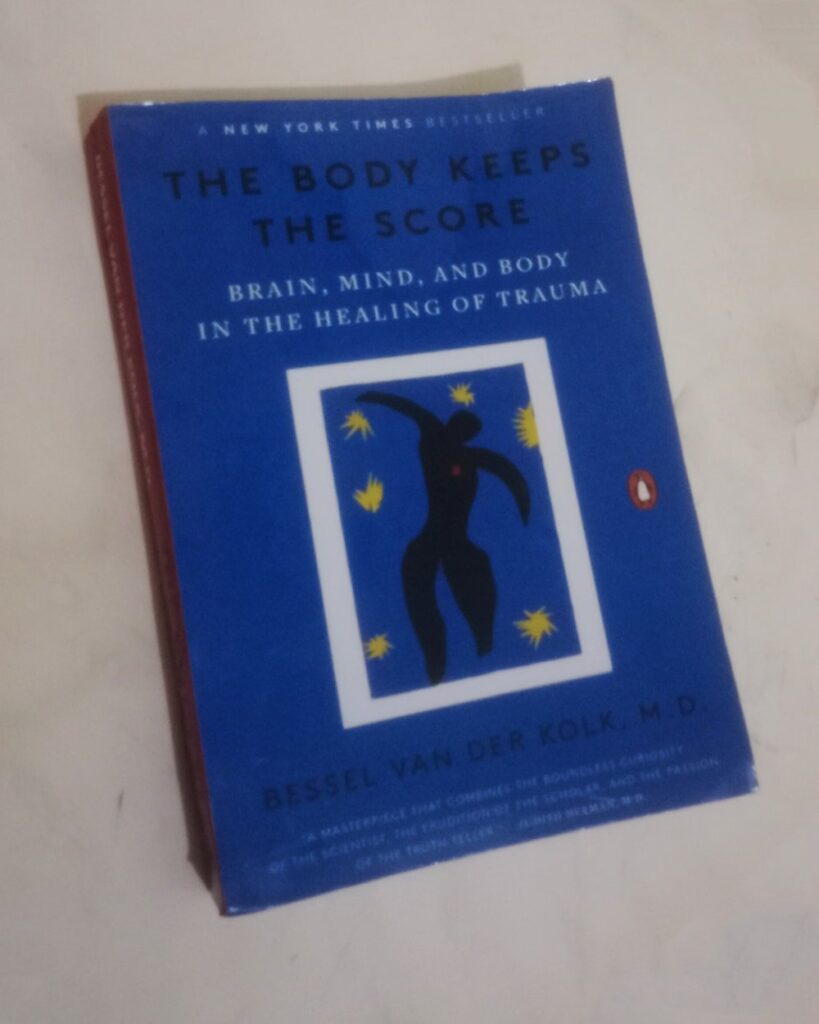
Author: Bessel van der Kolk · Published: 2014 · Genre: Psychology, Trauma, Mental Health
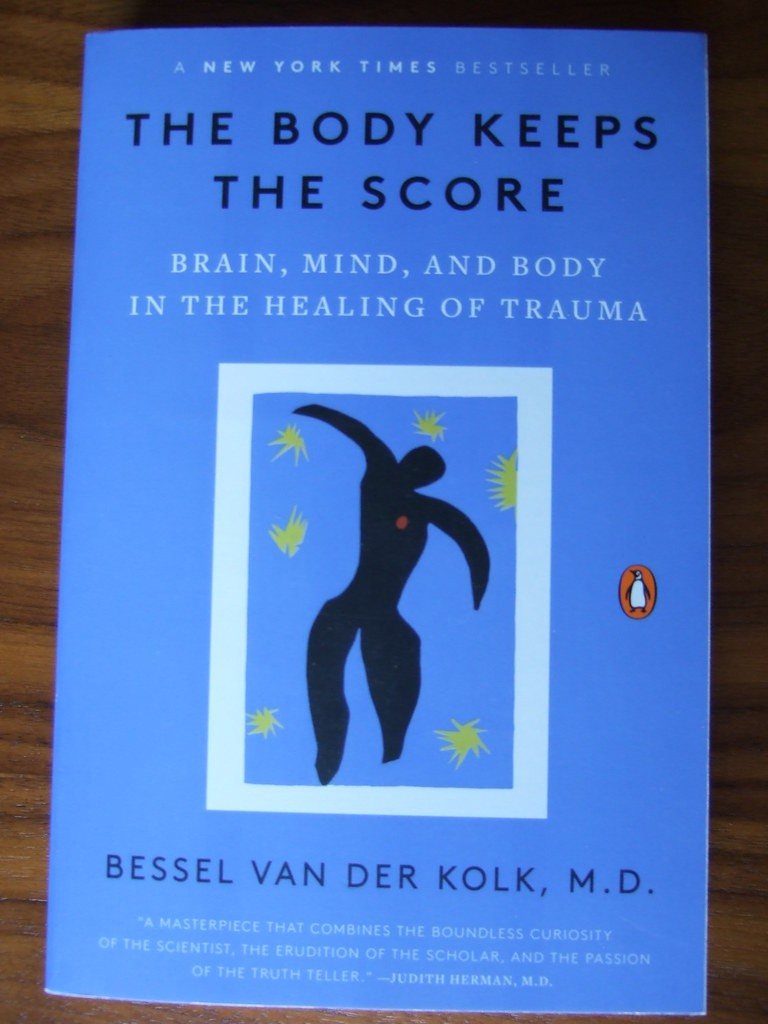
The Body Keeps the Score argues that trauma is not only a memory but a physical state that reshapes the brain and nervous system, and that healing must involve the body as well as talk. The book spent years on bestseller lists, and many survivors say it finally explained what happened to them. It is also a mix of solid research, clinical anecdote and contested theory. Read it, but read it critically.
The big idea
Van der Kolk is a Dutch-born psychiatrist who has worked with traumatized patients since the 1970s, starting with Vietnam veterans. He argues that trauma alters the brain’s alarm system, leaving survivors either on constant alert or shut down, and that overwhelming experiences can be stored as fragments of sensation rather than coherent stories. People may feel unsafe in their own bodies long after the danger has passed. He cites brain-scan research suggesting that during flashbacks, a region involved in speech becomes less active, which he links to survivors’ struggle to put their experiences into words.
He also draws heavily on the Adverse Childhood Experiences study, which found that childhood abuse, neglect and household dysfunction are common and strongly linked to later health problems. He argues that chronic childhood trauma deserves its own diagnosis, which he and colleagues proposed as developmental trauma disorder. The American Psychiatric Association did not adopt it for the DSM-5, a decision he criticizes sharply.
The final part surveys treatments beyond talk therapy and medication: EMDR, yoga, neurofeedback, internal family systems therapy, theater programs and other body-based approaches.
What works
- It validates people’s experience. Van der Kolk explains symptoms like numbness, sudden rage and dissociation as understandable responses to danger rather than character flaws. For many readers, that reframing is a relief.
- It takes childhood trauma seriously. The chapters on abuse within families and the ACE research make a strong case that trauma is a public health problem, not a rare event limited to soldiers.
- Clear case histories. Stories of patients, from veterans to adults abused as children, make abstract ideas concrete, and van der Kolk writes plainly for readers without a science background.
- Openness to new approaches. His argument that some patients cannot simply talk their way out of trauma pushed clinicians to consider body-based and experiential methods. Some of these, including EMDR, now have solid evidence behind them.
The controversy
Many researchers think the book overstates its science. The title’s central idea, that the body stores trauma, is a metaphor rather than a literal finding, and the neuroscience is simplified. He also leans on polyvagal theory, a model of the nervous system that many physiologists dispute.
His views on memory are especially contested. Van der Kolk argues that traumatic memories can be split off from awareness and recovered later. Memory researchers such as Richard McNally counter that trauma is usually remembered all too well, and that recovered-memory claims led to false accusations in the past.
The treatment chapters mix strong and weak evidence. EMDR and trauma-focused talk therapies are well supported, but yoga, neurofeedback and theater rest on thinner research, often small studies. Readers may come away thinking these are equally established. Some critics also worry the book encourages people to trace a very wide range of problems back to trauma.
The author has faced personal controversy too. In 2018 he was fired from the Trauma Center he had founded in Massachusetts, after allegations that he had created a hostile work environment. He denied the allegations.
Who should read it
Trauma survivors, therapists and anyone supporting someone with post-traumatic stress will find it illuminating, though survivors may want support while reading, as some case histories are distressing. Pair it with a more cautious source on which treatments have the strongest evidence.
Rating: 3.5/5
Photo credits — Featured image: Photo by Hariadhi via Wikimedia Commons, CC BY-SA 4.0, cropped. In-article photo: Photo by raulbarraltamayo via Flickr, CC BY-SA 2.0, cropped.
