

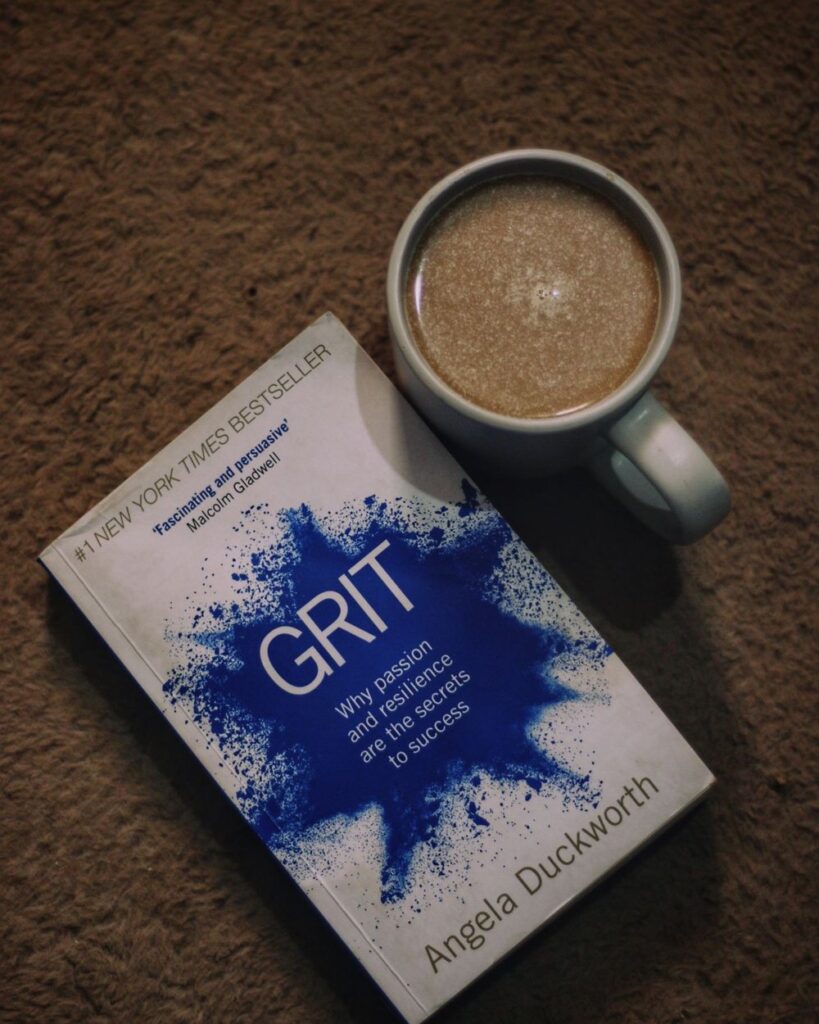
Author: Angela Duckworth · Published: 2016 · Genre: Psychology, Self-Help
Grit argues that long-term success depends less on talent than on a blend of passion and perseverance for long-term goals. Duckworth writes warmly and her advice is sensible, especially for parents and teachers. But the research on grit is weaker than the book suggests, and much of what it measures was already known as conscientiousness. It’s a pleasant read with a modest payoff.
The big idea
Duckworth, a University of Pennsylvania psychologist and former math teacher, noticed that her hardest-working students weren’t always the most gifted. She developed a short questionnaire, the Grit Scale, and tested it in demanding settings. At West Point, it helped predict which new cadets would make it through the grueling summer training known as Beast Barracks. In the National Spelling Bee, grittier children advanced further, largely because they put in more hours of focused practice.
She sums up her view in two equations: talent multiplied by effort produces skill, and skill multiplied by effort produces achievement. Effort, in other words, counts twice.
The second half explains how to grow grit from the inside out, through interest, deliberate practice, purpose and hope, and from the outside in, through parenting that is both supportive and demanding, and through gritty cultures in certain schools, companies and sports teams.
What works
- Effort counts twice. The equations are a useful corrective to talent worship. Duckworth argues convincingly that we overrate natural gifts partly because believing in them lets us off the hook.
- A personal thread. Duckworth opens with her father repeatedly telling her she was no genius, and uses her own winding career, from management consulting to classroom teaching to research, to show that grit doesn’t require knowing your path from childhood.
- Practical family advice. Her Hard Thing Rule is simple and usable. Everyone in her family takes on something hard that requires practice, chooses it for themselves, and can’t quit until a natural stopping point, such as the end of a season.
- Passion develops. She argues that passion usually grows over years of engagement rather than arriving in a flash, which is a relief for readers who feel they haven’t found their calling.
- Deliberate practice. Drawing on Anders Ericsson’s research, she explains what effective practice looks like: a clear stretch goal, full concentration, immediate feedback, and repetition with reflection.
What doesn’t
The science is thinner than the storytelling. A 2017 meta-analysis led by psychologist Marcus Credé, covering tens of thousands of people, found that grit was only moderately related to performance and was very strongly correlated with conscientiousness, a trait psychologists have studied for decades. The perseverance part of grit did most of the work; the passion part added little.
The examples are also selective. Many of the book’s stars are highly accomplished people who say effort mattered most, which is not the same as evidence that effort, rather than talent, luck or opportunity, made the difference. We rarely hear from equally gritty people who didn’t succeed.
Critics have also argued that focusing on grit can shift attention away from poverty, school funding and other circumstances that shape children’s success. To her credit, Duckworth has publicly warned against using grit questionnaires to grade students or schools, noting that they weren’t designed for high-stakes use.
The book also runs long for its argument. The many interviews with high achievers, from coaches to cartoonists, make similar points, and the chapters on culture feel stretched.
Who should read it
Parents, teachers and coaches looking for a humane, encouraging case for perseverance. Managers building teams may also find the chapters on deliberate practice and purpose useful. Readers who want rigorous science on achievement should look elsewhere, or read this alongside the critical research.
Rating: 3/5
Photo credits — Featured image: Photo by Nduwa Siachaba on Pexels.
