

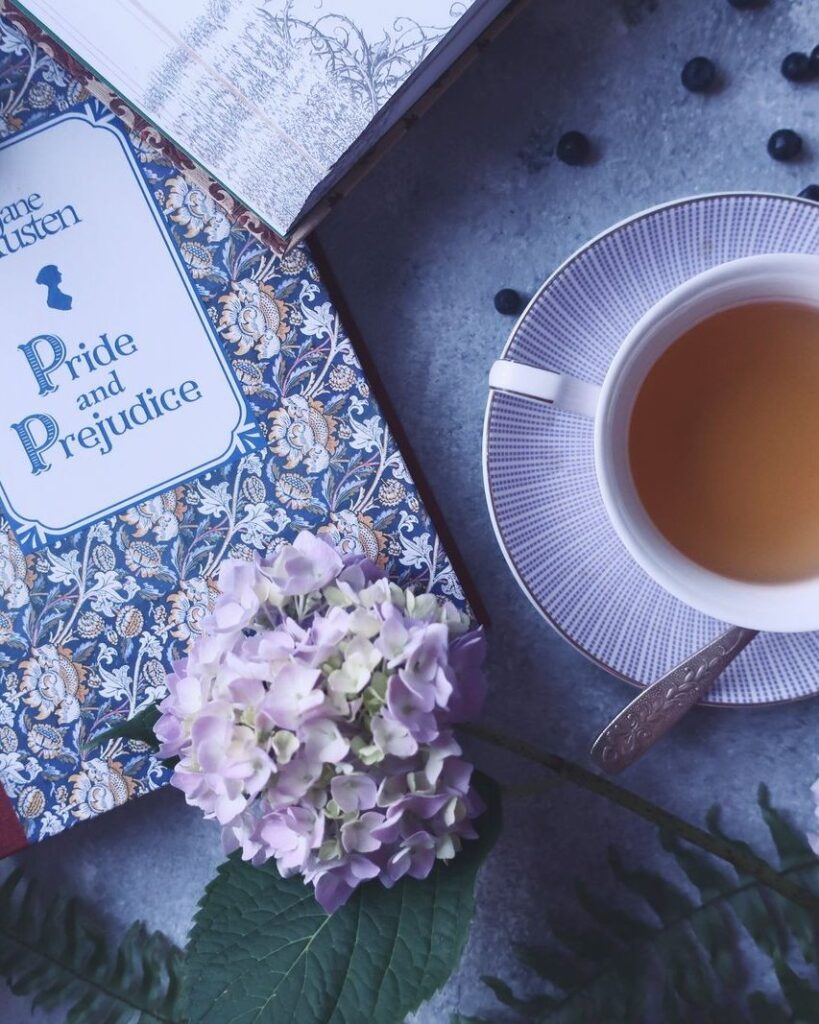
Author: Jane Austen · Published: 1813 · Genre: Classic fiction, Romance, Comedy of manners
Pride and Prejudice is a romantic comedy about money, marriage and misjudgment, and it is funnier than almost anything written since. Elizabeth Bennet is one of fiction’s great heroines, and her slow-burn clash with Mr Darcy set the template for a whole genre. If you think classics are dull, start here.
What it’s about
The Bennets of Longbourn have five daughters and a problem. Their estate is entailed to a male cousin, so when Mr Bennet dies the girls will be left with very little. Marriage is not a romantic option for them but an economic necessity, and Mrs Bennet says so, loudly and often, usually while embarrassing her two eldest daughters in public.
When the wealthy, easy-going Mr Bingley rents nearby Netherfield Park, he quickly falls for Jane, the eldest daughter. His friend Mr Darcy, far richer and far more reserved, snubs Elizabeth at a ball, and she decides she dislikes him. Add a charming officer named Wickham who has a grudge against Darcy, and a pompous clergyman cousin, Mr Collins, who proposes to Elizabeth, and the misunderstandings multiply. The novel was first published anonymously, credited only to the author of Sense and Sensibility.
What works
- Elizabeth herself. She is clever, quick and confident, and she is wrong about the two men who matter most. Austen lets her heroine be proud and prejudiced too, which is why her change of mind feels earned rather than handed to her.
- The dialogue. Elizabeth and Darcy argue like equals. Their exchanges at Netherfield and later at Rosings are sharp, playful and loaded with things neither says outright. Even the famous opening line, about a truth universally acknowledged, is a joke at the expense of the people who believe it.
- The comedy. Mr Collins is one of the great bores in English literature, endlessly fawning over his patron, Lady Catherine de Bourgh. Mr Bennet’s dry replies to his wife are nearly as good, though Austen also shows the cost of his lazy detachment as a father.
- The structure. The book is about how first impressions go wrong. Austen’s working title was First Impressions, and the plot turns on Elizabeth realizing how much she misjudged Darcy, Wickham and herself. The letter Darcy writes her midway through is a masterclass in shifting a reader’s sympathy.
- Charlotte Lucas. Elizabeth’s sensible friend makes a practical marriage without love, and Austen treats her choice with understanding rather than scorn. It’s a quiet reminder of what’s at stake for women with no money.
What doesn’t
The world is narrow. Almost everyone is gentry, the servants are nearly invisible, and although Britain was at war with Napoleon, the militia officers mainly serve as dance partners. Charlotte Brontë famously compared this novel to a carefully fenced, cultivated garden with no open country, and some readers still feel that lack of wildness.
Parts of the cast are thin. Mary and Kitty Bennet are barely characters, and Lydia works more as a plot device than a person. The final third also leans on coincidence and on a crisis that is resolved largely offstage, which can feel too convenient.
Finally, the Regency language takes a few chapters to settle into. The sentences are long and ironic, and if you read too fast you’ll miss half the jokes.
Who should read it
Everyone, honestly, but especially readers who assume they don’t like classics or romance. It’s also the best introduction to Austen before moving on to Emma or Persuasion. The 1995 BBC series with Colin Firth is a fine companion, but the jokes live in the narration, so read the book first.
Rating: 5/5
Photo credits — Featured image: Photo by Asya Vlasova on Pexels. In-article photo: Photo by Charles Mazón on Unsplash.
