

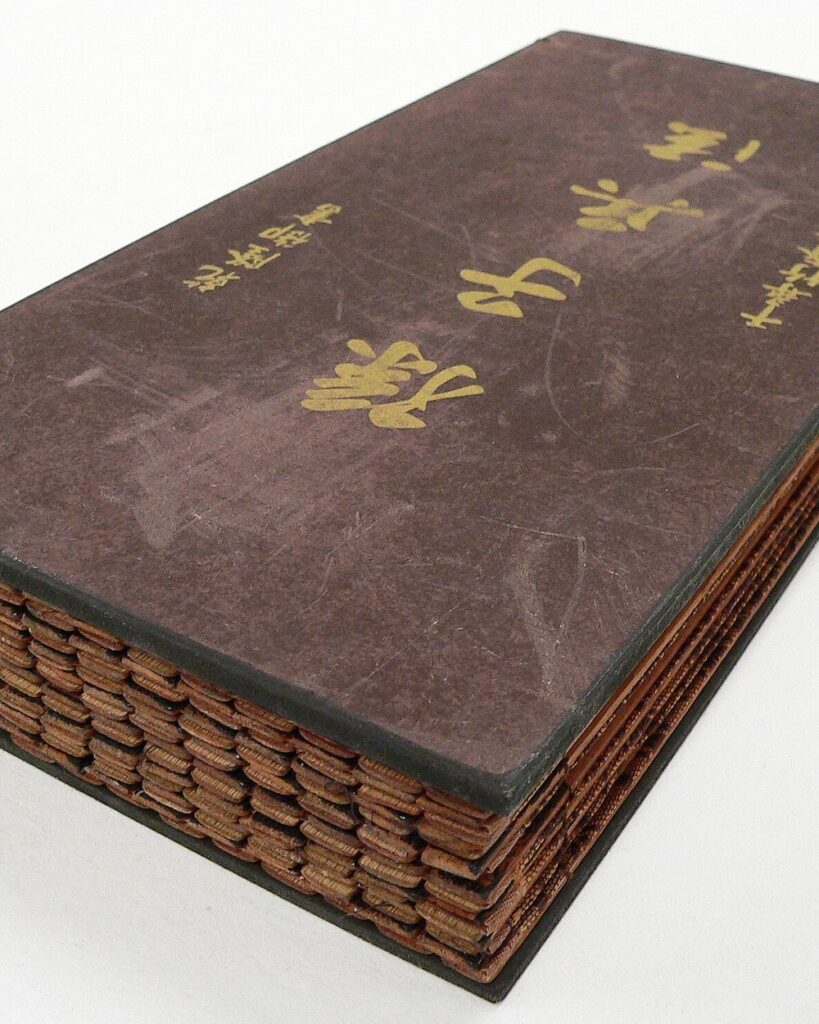
Author: Sun Tzu · Published: c. 5th century BC · Genre: Strategy, Military History, Philosophy · Original title: Sunzi bingfa
The Art of War is a short ancient Chinese treatise on how to win conflicts, ideally without fighting at all. Its biggest strength is compression: in thirteen brief chapters it sets out principles of preparation, deception and flexibility that still apply to competition of many kinds. Its biggest weakness is the flip side of that brevity, since the aphorisms are so terse and tied to their era that readers, especially in business, often project whatever they like onto them. It’s worth reading for anyone interested in strategy, ideally in a translation with good notes or commentary.
The core ideas
Tradition credits the text to Sun Wu, a general said to have served the king of Wu around 500 BC. Many scholars doubt he was its single author and think the text reached its final form later, in the Warring States period. Bamboo-slip copies found in a Han dynasty tomb at Yinqueshan in 1972 showed that a version close to the received text existed by the 2nd century BC.
- Win without fighting. The best victory defeats the enemy’s plans or alliances before battle; besieging walled cities is the worst option. Prolonged war drains any state.
- Calculate before you act. Compare both sides on five fundamentals, variously translated as the Way (or moral cause), heaven (weather and seasons), earth (terrain), the commander, and method or discipline. The side with the better calculations wins.
- Deception and self-knowledge. In the famous line from Lionel Giles’s translation, “all warfare is based on deception”: look weak when strong, far away when near. And if you understand both your enemy and yourself, you need not fear a hundred battles.
- Be like water. Avoid strength and strike weakness, adapting to circumstances the way water takes the shape of the ground. Combine orthodox and unorthodox moves (zheng and qi) so the enemy can’t predict you.
- Intelligence is cheap compared with war. The final chapter praises spies and argues that grudging money for information, when war costs so much, is folly.
What’s great
It’s short enough to read in an afternoon and dense enough to reread for years. The principles are general: understand the situation before committing, avoid costly head-on contests, exploit an opponent’s weak points, and keep your own plans flexible. That’s why it’s studied in military academies and quoted by coaches, negotiators and executives.
Its emphasis on avoiding battle also surprises readers who expect a celebration of violence. Sun Tzu treats war as a grave matter of state, to be entered only after sober calculation, and prizes victories that cost little.
What’s weak
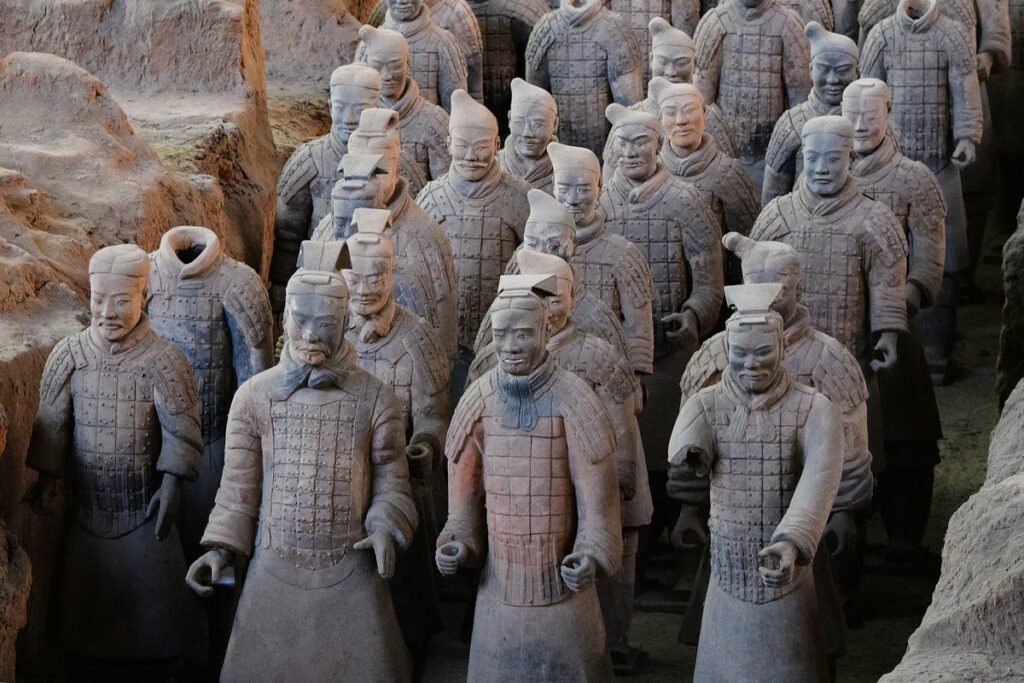
It’s a product of a specific world: warring kingdoms, chariots, conscript armies and rulers who meddled in their generals’ decisions. Much of the detail on terrain and troop handling means little today without notes. The famous story of Sun Tzu drilling the king’s concubines comes from a biography written centuries later by the historian Sima Qian and is widely treated as legend.
Its brevity also invites misuse. Business books and films have turned its lines into slogans, and Gordon Gekko quotes it in the 1987 film Wall Street, usually with the context stripped away.
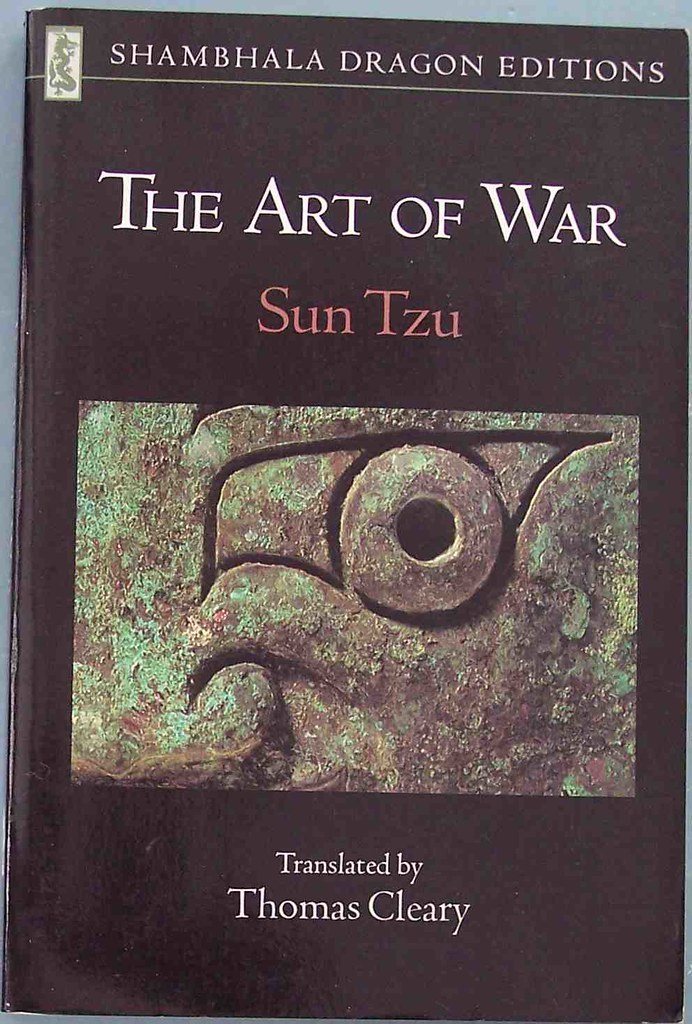
Translation choice matters more than usual. Classical Chinese is extremely compressed, so translators make many interpretive decisions. Lionel Giles’s 1910 version is the classic public-domain text; Samuel B. Griffith’s 1963 translation reads it through a soldier’s eyes; Thomas Cleary’s stresses Taoist philosophy; and Roger Ames’s 1993 edition draws on the Yinqueshan finds. None is simply correct, and comparing two side by side is illuminating.
Who should read it
Anyone interested in strategy, military history or Chinese thought should read it, ideally in an edition that includes traditional commentaries or a solid modern introduction. Business readers will get more from the original text than from the many management adaptations.
Rating: 4/5
Image credits — Featured image: Image by vlasta2 (bluefootedbooby on Flickr) via Wikimedia Commons, CC BY 2.0, cropped. In-article images: Image by cdrummbks via Flickr, CC BY 2.0; Photo by Aaron Greenwood on Unsplash.
