

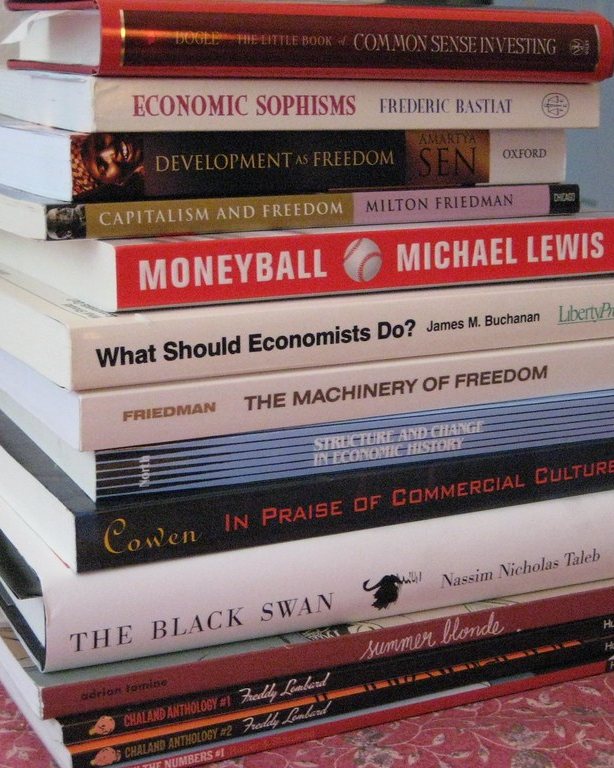
Author: Nassim Nicholas Taleb · Published: 2007 · Genre: Philosophy, Risk, Probability
The Black Swan argues that history, markets and our own lives are dominated by rare, extreme events that we fail to predict and then explain away after the fact. Its biggest strength is a single idea so useful it has entered everyday language. Its biggest weakness is the delivery: Taleb is repetitive, digressive and openly contemptuous of people he disagrees with, which will put off many readers. It’s worth reading for investors, managers and anyone who plans for the future, provided they can tolerate the author.
The core ideas
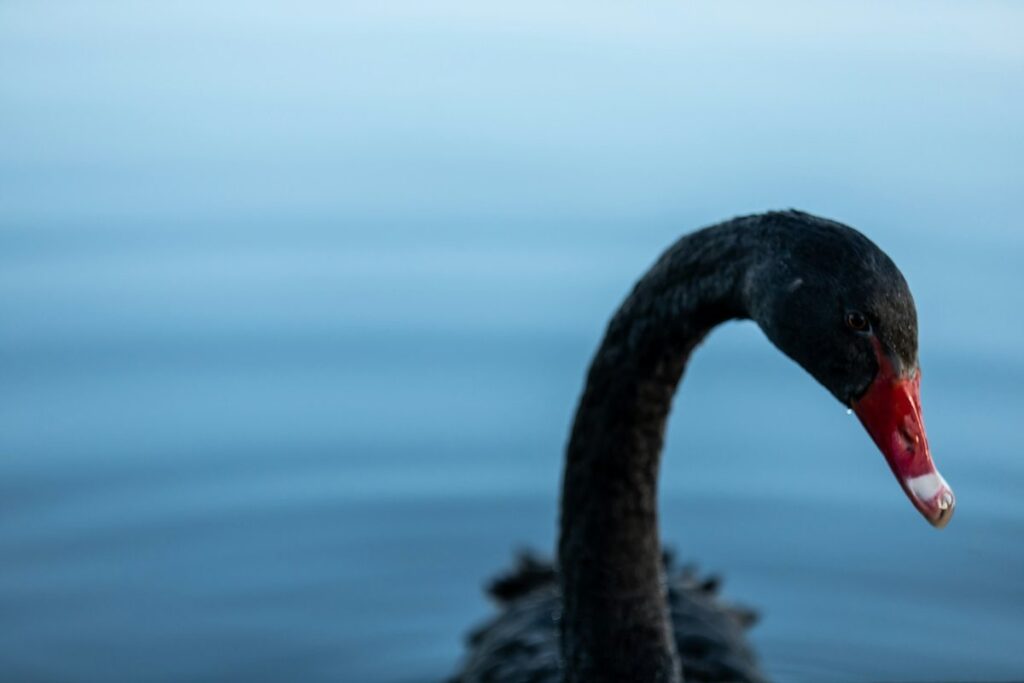
- Black Swans. An event that is an outlier, has an enormous impact, and seems predictable only in hindsight. The name comes from the old European belief that all swans were white, which collapsed when black swans were found in Australia.
- Mediocristan and Extremistan. In some domains, such as height or weight, no single case changes the total much. In others, such as wealth or book sales, one observation can outweigh all the rest. Tools built for the first world fail badly in the second.
- The turkey problem. A turkey fed every day for a thousand days grows more confident that humans have its best interests at heart, right up until the day before Thanksgiving. A long record of stability can be the most misleading evidence of all.
- Our blind spots. The narrative fallacy (we invent stories to explain randomness), silent evidence (we study the winners and forget the failures who used the same methods), and the ludic fallacy (treating real-world uncertainty like the clean odds of a casino game).
- What to do about it. Since you can’t predict Black Swans, limit your exposure to the harmful ones and expose yourself to the helpful ones. His barbell strategy puts most money in very safe assets and a small share in highly speculative bets, skipping the supposedly moderate middle.
What’s great
The central idea is genuinely important. Taleb makes you see how much of what matters, from world wars to the rise of the internet to financial crashes, arrived without warning, and how quickly experts afterward built stories that made it seem obvious.
He is especially good on the overconfidence of forecasters. His attack on the bell curve, applied where it doesn’t belong, and on risk models that treat extreme events as near-impossible, looked prescient when the 2008 financial crisis arrived the year after publication.
The examples stick: the shipwrecked worshippers whose prayers didn’t save them and so left no testimony, the casino whose worst losses came from events its risk models never considered, and Umberto Eco’s library of unread books as a symbol of respecting what you don’t know.
What’s weak
The tone is the biggest problem. Taleb mocks economists, journalists and Nobel laureates at length, and the insults add nothing to the argument. The book wanders through anecdotes, fictional characters and philosophical asides, and the key points are repeated more than they need to be.
Critics also argue that he overstates his originality and his targets’ naivety. Fat-tailed distributions were already known, notably through the work of Benoit Mandelbrot, whom Taleb himself credits, and many practitioners knew their models had limits. The practical advice is also thin compared with the diagnosis: telling people to prepare for the unpredictable is easier than saying how.
Finally, the term has been diluted. People now call almost any bad surprise a Black Swan, including events that were widely predicted. Taleb has pushed back on this himself, arguing for example that a global pandemic was foreseeable and so not a true Black Swan.
Who should read it
Read it if you work in finance, policy or planning, or simply want a better feel for risk. The 2010 second edition adds a long essay, On Robustness and Fragility, which leads into his later Antifragile (2012). His earlier Fooled by Randomness (2001) is a shorter, gentler entry point.
Rating: 4/5
Image credits — Featured image: Image by muppetspanker via Flickr, CC BY-SA 2.0, cropped. In-article images: Photo by Mitchell Luo on Unsplash.
