

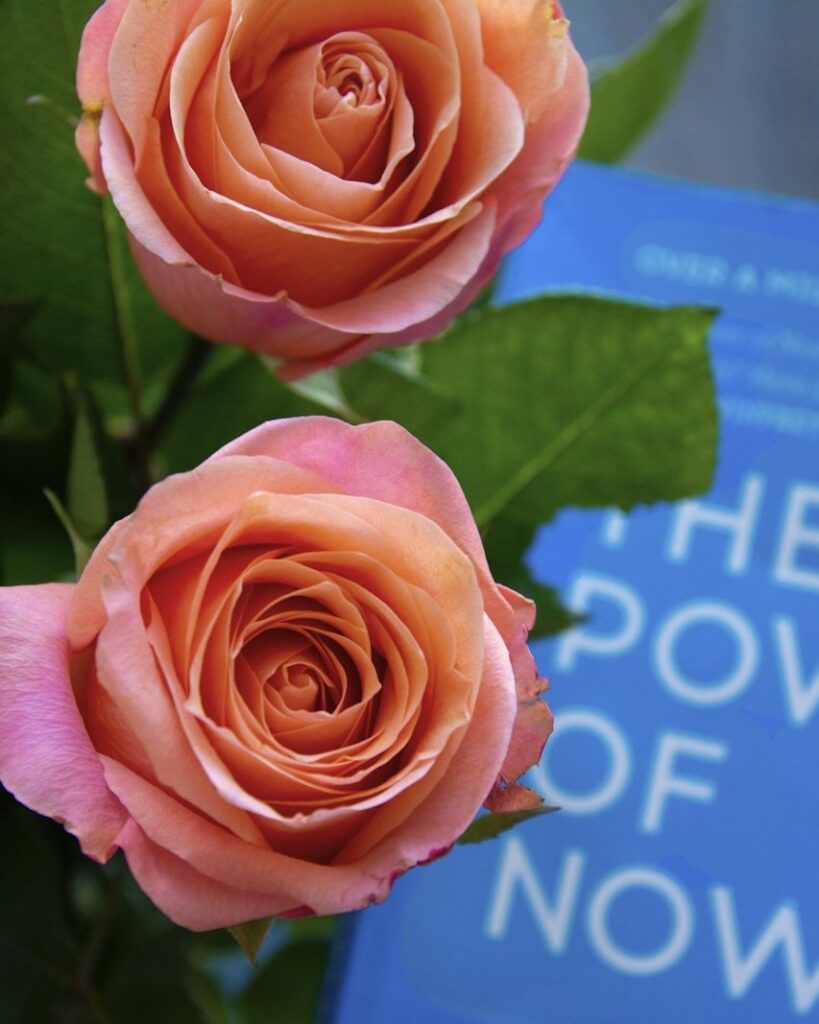
Author: Eckhart Tolle · Published: 1997 · Genre: Self-Help, Spirituality
The Power of Now argues that most human suffering comes from identifying with the thinking mind, and from living in regret about the past or worry about the future. Its answer is presence: full attention to this moment. The core insight is real and has helped many people, but the book is repetitive and makes spiritual claims it can’t back up. Read it if you’re drawn to meditation; skip it if mysticism makes you roll your eyes.
The big idea
Tolle opens with his own story. He says he lived with near-constant anxiety and depression until one night, shortly after his 29th birthday, when the thought that he could no longer live with himself triggered a sudden inner shift. He woke, he says, into a deep peace that stayed.
From there he builds his teaching. You are not your mind. The voice in your head is a compulsive stream you can observe, and the moment you watch it, you’re no longer trapped inside it. He separates clock time, which you need for practical life, from psychological time, the habit of living in memories and imagined futures. The ego, in his account, needs time to survive, so it keeps you anxious about what comes next.
He also introduces the pain-body, an accumulation of old emotional pain that flares up and feeds on negative thinking and drama. The way out isn’t to fight it but to notice it without judgment. Surrender, in his sense, means accepting what is happening now and acting from that acceptance, not giving up.
What works
- The observer idea. Watching your thoughts instead of believing them is a simple practice. It overlaps with mindfulness and with cognitive therapy’s habit of questioning automatic thoughts.
- The question-and-answer format. Much of the book answers questions from students, which lets Tolle tackle obvious objections, such as whether presence means you can’t plan. His answer: plan in clock time, but don’t live there.
- Simple exercises. Tolle suggests asking yourself what problem you actually have right now, in this moment, rather than later today or next year. Usually the answer is none. He also suggests shifting attention to the feeling of energy in your hands or body as a quick way out of racing thoughts. Both are easy to try.
- It lowers the temperature. For anxious readers, the reminder that the present moment is usually bearable, and that the worry is about a future that hasn’t happened, can bring real relief.
What doesn’t
The book is hard to test. Claims about Being, the unmanifested and enlightenment are stated rather than argued, and Tolle mixes Buddhist, Hindu and Christian mystical ideas freely, without much care for their differences. Critics call the teaching self-sealing: if it doesn’t work for you, the problem is your ego. Defenders reply that it’s a spiritual book, not a scientific one, and should be judged by whether the practice helps. On that measure it does better.
Some claims go well beyond evidence. Tolle suggests that attention to your inner body can strengthen the immune system and slow aging, and he offers nothing to support it.
It also repeats itself heavily. The central idea could fill a long essay, and later chapters on relationships and the body add more assertion than insight.
The pain-body is a vivid metaphor, but Tolle presents it almost as a literal entity. Readers dealing with depression or trauma should treat the book as a supplement to professional help, not a substitute for it.
Who should read it
Read it if you’re anxious about the future, interested in meditation or curious about spiritual ideas in plain language. If you want the same practice with more science and less metaphysics, a good mindfulness book will serve you better. Either way, read it slowly; it works better as a daily reminder than as a book to finish in a weekend.
Rating: 3.5/5
Photo credits — Featured image: Photo by Aleksey Oryshchenko on Unsplash.
