

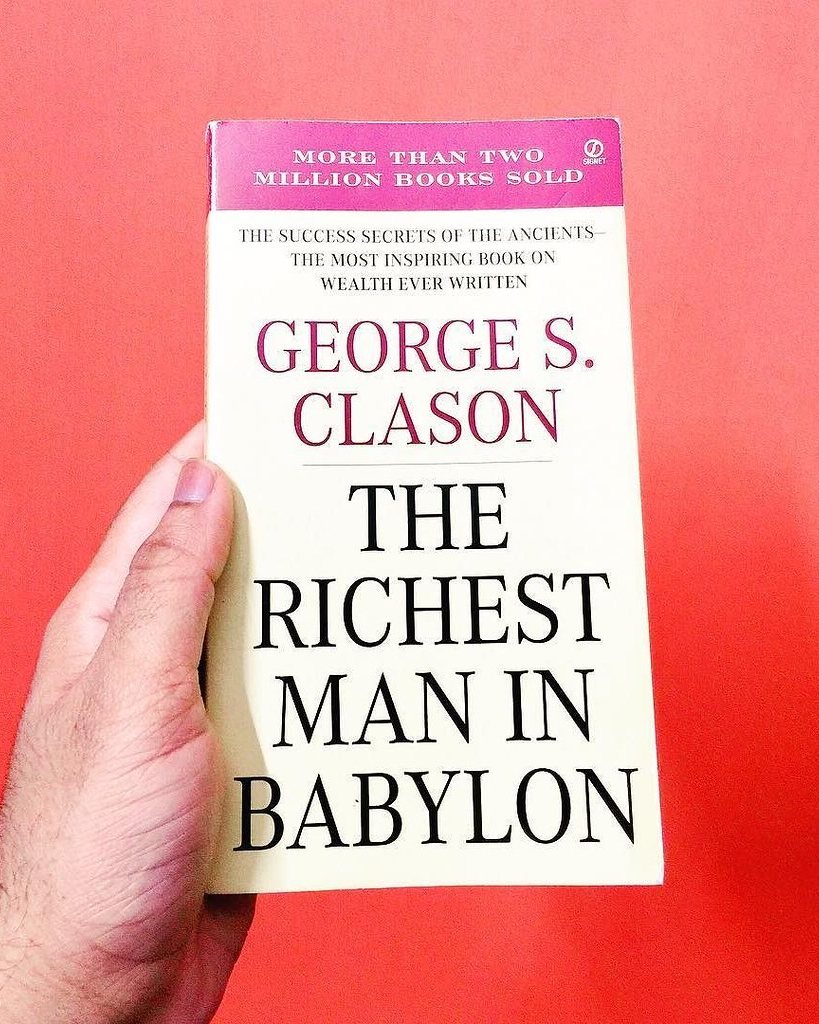
Author: George S. Clason · Published: 1926 · Genre: Personal Finance, Parables
The Richest Man in Babylon teaches basic money rules through parables set in ancient Babylon: save at least a tenth of what you earn, spend less than you make, invest carefully and avoid schemes that promise quick riches. The advice is sound and the stories are easy to remember. The mock-ancient prose and thin coverage make it a starter, not a complete guide.
What it’s about
The book began as a series of pamphlets that banks and insurance companies handed out to customers in the 1920s, later collected into one volume. Each chapter is a short tale.
In the opening story, a chariot builder named Bansir and a musician named Kobbi realise that after years of hard work they have nothing saved. They visit their old friend Arkad, now the richest man in Babylon, to ask his secret. Arkad’s answer, learned as a young man from the moneylender Algamish, is that a part of all you earn is yours to keep.
Later, Arkad teaches the city’s citizens seven cures for a lean purse: save a tenth of income, control expenses, make savings multiply, guard them from loss, own your home, provide for future income and increase your ability to earn. Further chapters add five laws of gold, the tale of a camel trader who works his way out of debt and slavery, and a moneylender’s warnings about lending to friends and family.
What works
- The rules are right. Paying yourself first, living below your means and letting savings compound are exactly what modern books recommend. Clason put it simply long before automatic transfers and index funds.
- Guarding against loss. The stories are unusually sharp about losing money through bad advice. In one, the young Arkad hands his savings to a brickmaker to buy jewels abroad and gets back worthless glass. The lesson, to take advice only from people who know the trade, is timeless.
- Debt with dignity. The camel trader’s story treats debt as something to be repaid through a fixed plan, splitting income between living costs, creditors and savings, rather than a source of shame. That is kinder and more practical than much modern advice.
- Short and memorable. Parables stick in a way that lists don’t. The whole book can be read in an afternoon, which makes it a good gift for teenagers.
What doesn’t
The style is dated. Clason writes in a mock-biblical voice full of “thee” and “thy”, and his Babylon is a stage set rather than history. Readers hoping for a real portrait of the ancient world will be disappointed.
Some chapters are slight. The story of the walls of Babylon, which makes a case for protecting yourself against disaster, is more slogan than advice, and readers will learn nothing specific about insurance from it.
The investment advice is vague. Making your money multiply and guarding it from loss are good principles, but the book says nothing useful about diversification, costs or what to actually buy. Its enthusiasm for lending gold at interest and for owning property reflects a world long before index funds.
It also leans on a work-hard-and-prosper morality. The stories imply that poverty is mostly a matter of discipline, which ignores luck, health and structural barriers. The cast is almost entirely male, another sign of its 1920s origins. And because every chapter makes the same few points, the later stories add less than the early ones.
Who should read it
Teenagers, young earners and anyone who wants the basics in story form. If you already save regularly and invest in index funds, you’ll find nothing new here, but it remains a pleasant reminder of why those habits matter.
Rating: 3.5/5
Photo credits — Featured image: Photo by Ridwan Jaafar via Flickr, CC BY 2.0, cropped.
