

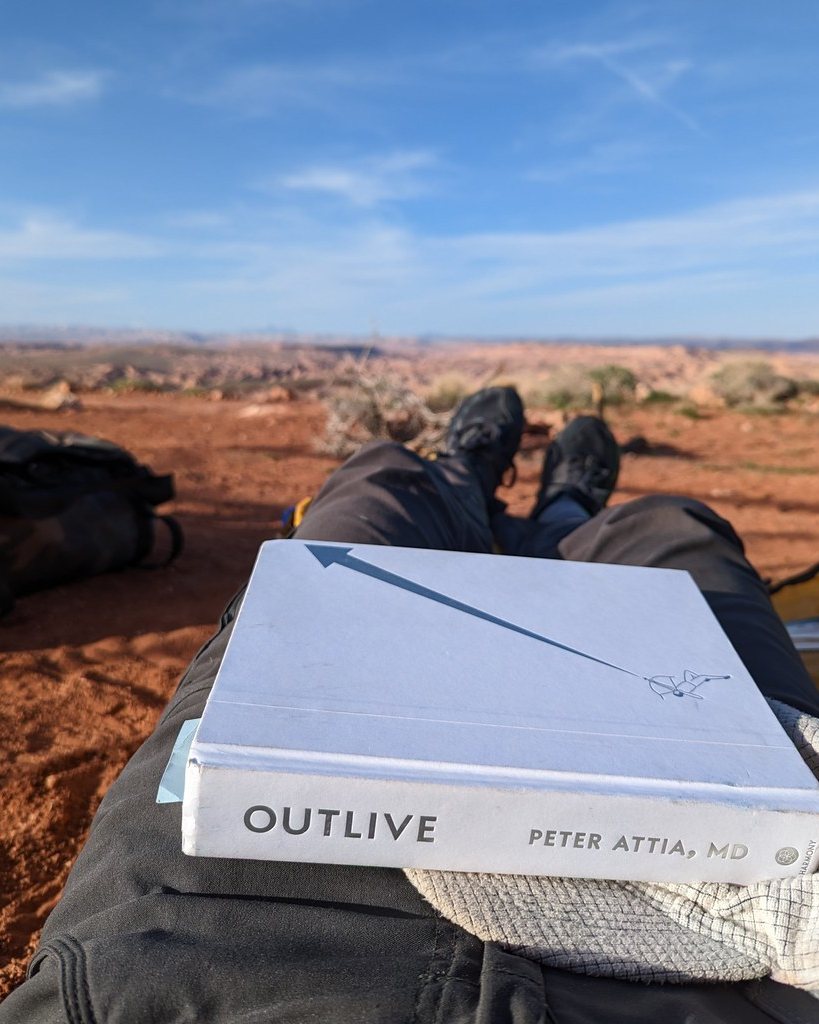
Author: Peter Attia, with Bill Gifford · Published: 2023 · Genre: Self-Help, Health
Outlive argues that modern medicine acts too late, treating chronic disease after it appears instead of working to prevent it decades earlier. Attia’s goal isn’t just a longer life but better final years, and he makes exercise the centerpiece of his plan. It’s detailed, persuasive and more readable than its length suggests. But it’s demanding, and parts of its approach depend on time, money and testing many readers won’t have.
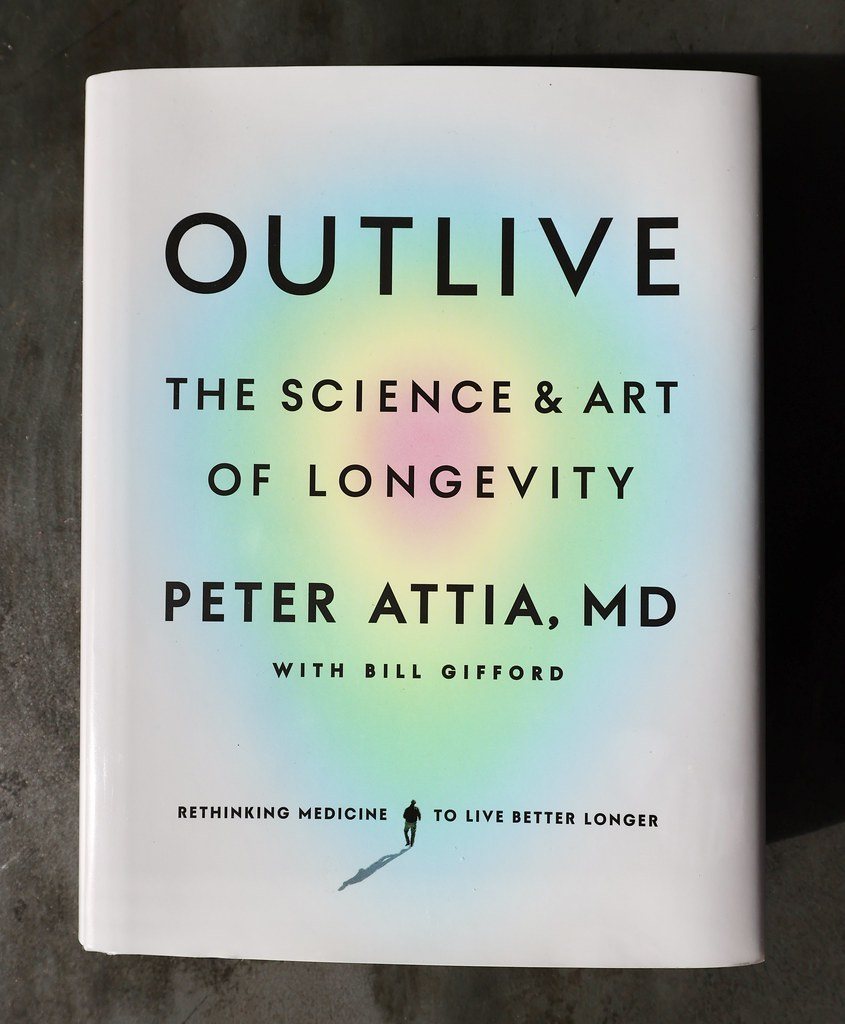
The big idea
Attia, a physician who focuses on longevity, separates lifespan, how long you live, from healthspan, how well you live. He calls conventional care “Medicine 2.0”: very good at fixing acute problems, but slow to act on chronic disease. His alternative, “Medicine 3.0,” is prevention-focused, personalized and willing to act early.
He targets what he calls the Four Horsemen, the chronic diseases behind most deaths in wealthy countries: heart disease, cancer, neurodegenerative disease such as Alzheimer’s, and metabolic dysfunction, including type 2 diabetes. Each develops quietly over decades, which is why he argues for paying attention long before symptoms appear.
He also introduces the “marginal decade,” your last ten years of life, and the “Centenarian Decathlon.” The idea is to list the physical tasks you want to be able to do in old age, such as carrying groceries, lifting a grandchild or getting up off the floor, then work backward to the strength and fitness you’d need now to keep that capacity, since both decline with age.
What works
- Exercise as the core. Attia treats exercise as the most powerful tool he has and breaks it into four parts: steady aerobic base training (what he calls zone 2), peak aerobic capacity (VO2 max), strength and stability. The chapters explaining why each matters, and how they decline with age, are the best in the book.
- The decathlon idea. Framing fitness around specific future tasks is concrete and motivating. It turns an abstract goal like “stay healthy” into something you can picture.
- Nuance on nutrition. Having once been a committed advocate of ketogenic eating, Attia is refreshingly undogmatic here. He treats diet as individual, focusing on whether someone is over- or under-nourished and on getting enough protein, rather than selling one plan.
- Emotional health. The final section includes a candid account of Attia’s own struggles with anger and emotional health, and argues that a longer life means little if you’re miserable. It’s the most personal and surprising part of the book.
What doesn’t
- Demanding and costly. The exercise targets add up to hours each week, and the model of care he describes relies on extensive testing that many people can’t access or afford through ordinary healthcare.
- Screening debates. His enthusiasm for early and extensive screening is contested. Critics point out that more testing can bring false positives, overdiagnosis and unnecessary procedures, and that some of his approaches go beyond mainstream guidelines.
- Evidence limits. Many of the links he draws, such as between fitness measures and lifespan, come from observational studies. They’re consistent and striking, but they show association more than cause. Attia is often careful about this, yet his confident tone can blur it.
- Heavy going in places. The biochemistry chapters, on topics such as lipoproteins and insulin resistance, will lose some readers, though they can be skimmed without missing the main argument.
Who should read it
Read it if you’re in midlife and want a serious, evidence-minded framework for staying capable into old age, especially the case for strength and fitness. It describes one doctor’s approach, not personal medical advice, so treat it as background for conversations with your own doctor rather than a plan to copy.
Rating: 4/5
Photo credits — Featured image: Photo by brewbooks via Flickr, CC BY-SA 2.0, cropped. In-article photo: Photo by Steve Jurvetson via Flickr, CC BY 2.0, cropped.
