

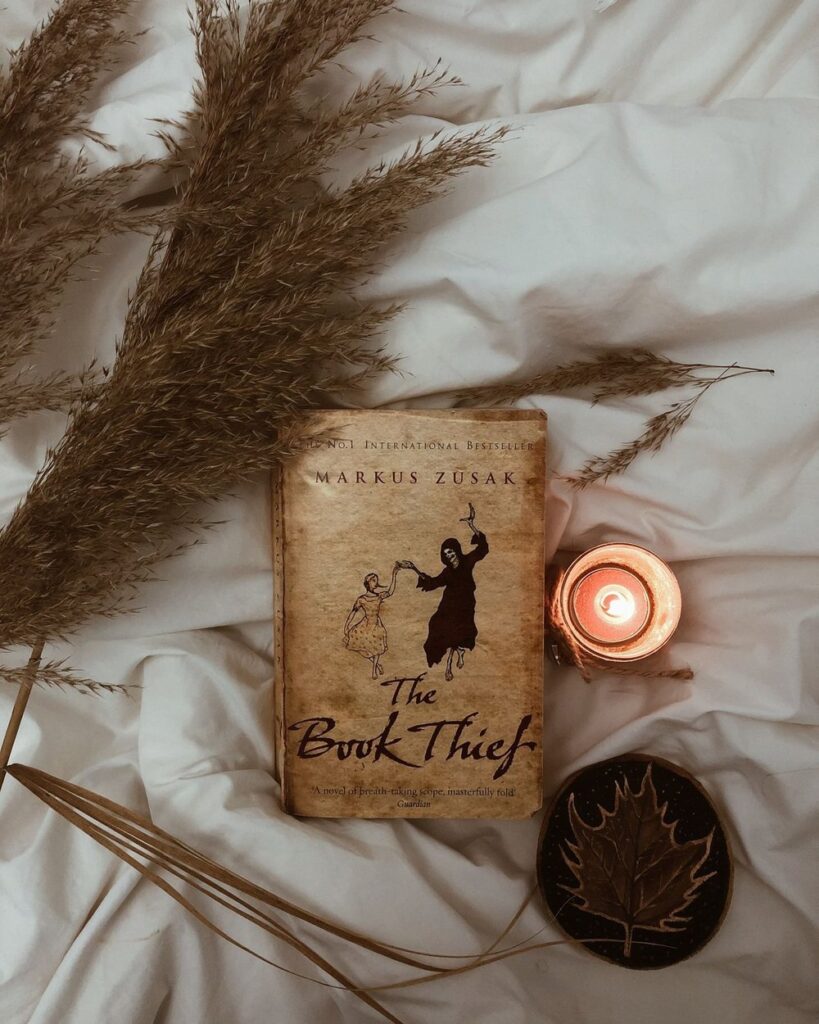
Author: Markus Zusak · Published: 2005 · Genre: Historical fiction, Young adult
The Book Thief is a World War II novel about a German girl who steals books, and it is narrated by Death. That unusual narrator makes it memorable and gives it an odd, gentle humor. The characters are easy to love, and the ending hits hard. But the style is showy, the book is long, and it goes for your tear ducts without apology. Worth reading, especially for teenagers.
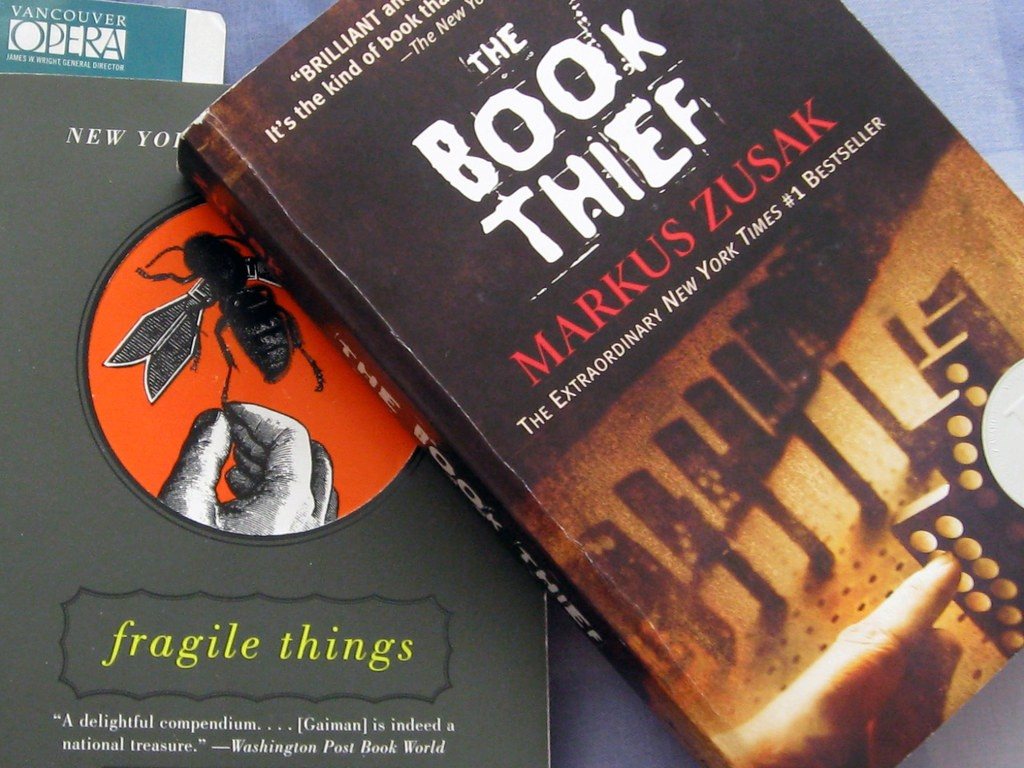
What it’s about
In early 1939, nine-year-old Liesel Meminger is being taken to live with foster parents, Hans and Rosa Hubermann, on Himmel Street in Molching, a fictional town near Munich. On the journey her younger brother dies. At his burial, a young gravedigger drops a book in the snow, The Grave Digger’s Handbook, and Liesel takes it. She can’t read yet.
Hans, a gentle house painter who plays the accordion, teaches her to read during her sleepless nights, and later on the walls of the basement. Rosa is loud and foul-mouthed but tougher and kinder than she first appears. Liesel’s best friend is Rudy Steiner, the lemon-haired boy from down the street who worships the Black American sprinter Jesse Owens. Then the Hubermanns take in Max Vandenburg, a young Jewish man, and hide him in their basement, and the danger at home grows as the war comes closer.
Zusak is Australian. His mother is German and his father Austrian, and their stories of growing up during the war helped inspire the book. It was first published as an adult novel in Australia and marketed to young adults in the United States.
What works
- Death as narrator. Death is tired, wry and haunted by humans, notices colors everywhere, and often tells you what is going to happen before it does. Oddly, knowing in advance makes the big moments more painful, not less, because you spend whole chapters dreading them.
- Hans Hubermann. He is one of the most decent characters in modern fiction: quiet, brave in small ways, and willing to risk everything to keep a promise he made long before the war.
- Max’s books. Max paints over pages of Mein Kampf and uses them to write and illustrate small stories for Liesel. It’s the novel’s best idea about how words can be used both to harm and to heal.
- Rudy. His running commentary, his stubborn crush on Liesel and his small acts of rebellion give the book much of its warmth and comedy.
What doesn’t
The style tries too hard. Death’s bolded asides, short lists and elaborate color metaphors are striking at first and tiring by page 300. Some readers find them charming; others find them mannered.
It’s long. At more than 500 pages, the middle drags, with repeated scenes of stealing, reading, soccer on the street and hiding that could have been trimmed.
Some critics also argue that it offers a comforting version of Nazi Germany, focused on decent Germans who resist in small ways, while the Holocaust stays at the edges, glimpsed mainly when Jewish prisoners are marched through town. That focus is deliberate, and it suits a child’s point of view, but it can make the history feel softened.
Finally, it’s openly sentimental. The last hundred pages are built to make you cry, and they probably will, but you can feel the machinery at work.
Who should read it
Teenagers meeting this history for the first time, and adults who like emotional historical fiction. Readers who prefer restrained, understated prose should borrow a copy before they commit to buying it. The 2013 film keeps the story but loses much of Death’s voice.
Rating: 4/5
Photo credits — Featured image: Photo by Book Hut on Pexels. In-article photo: Photo by Ruth and Dave via Flickr, CC BY 2.0, cropped.
